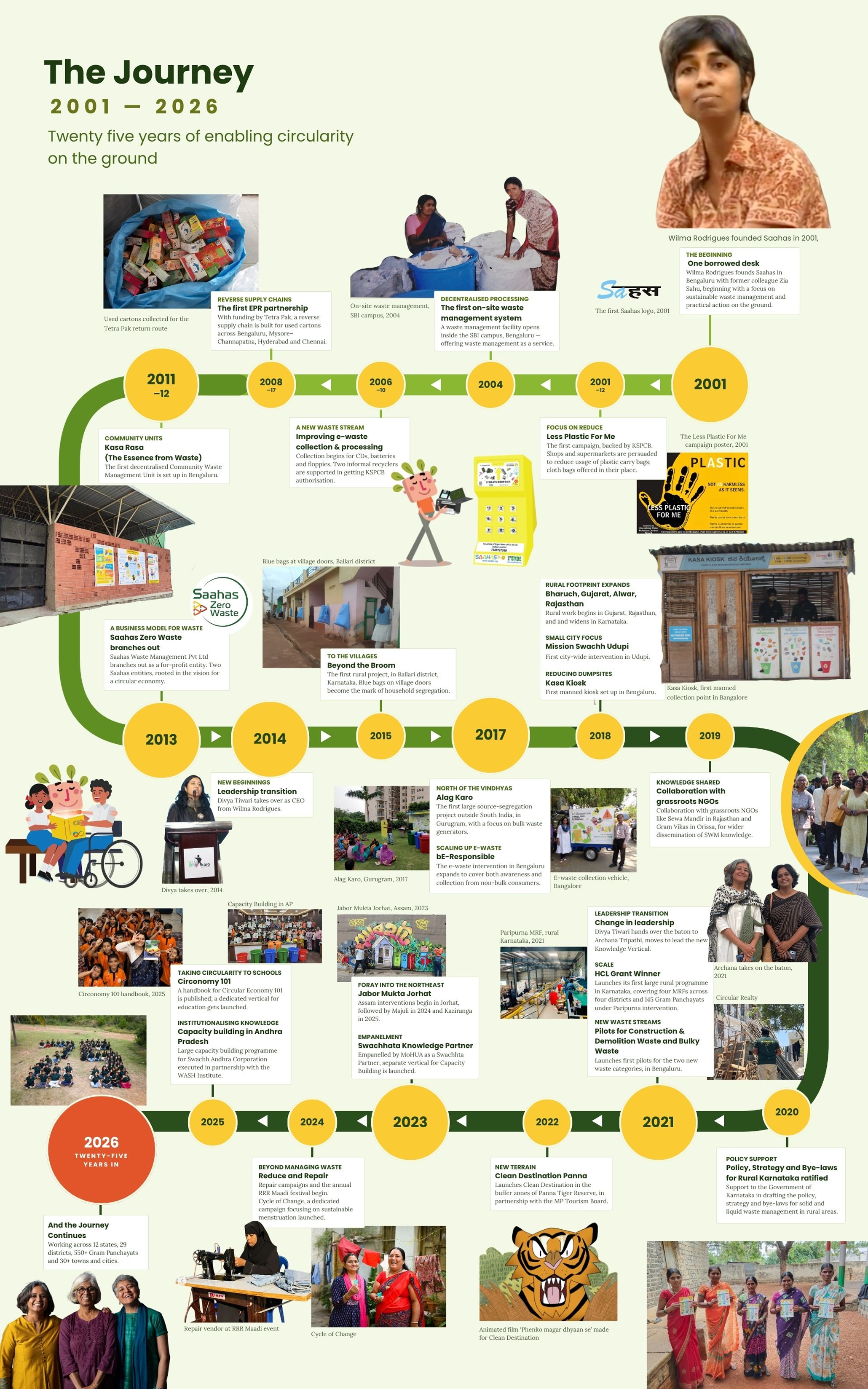
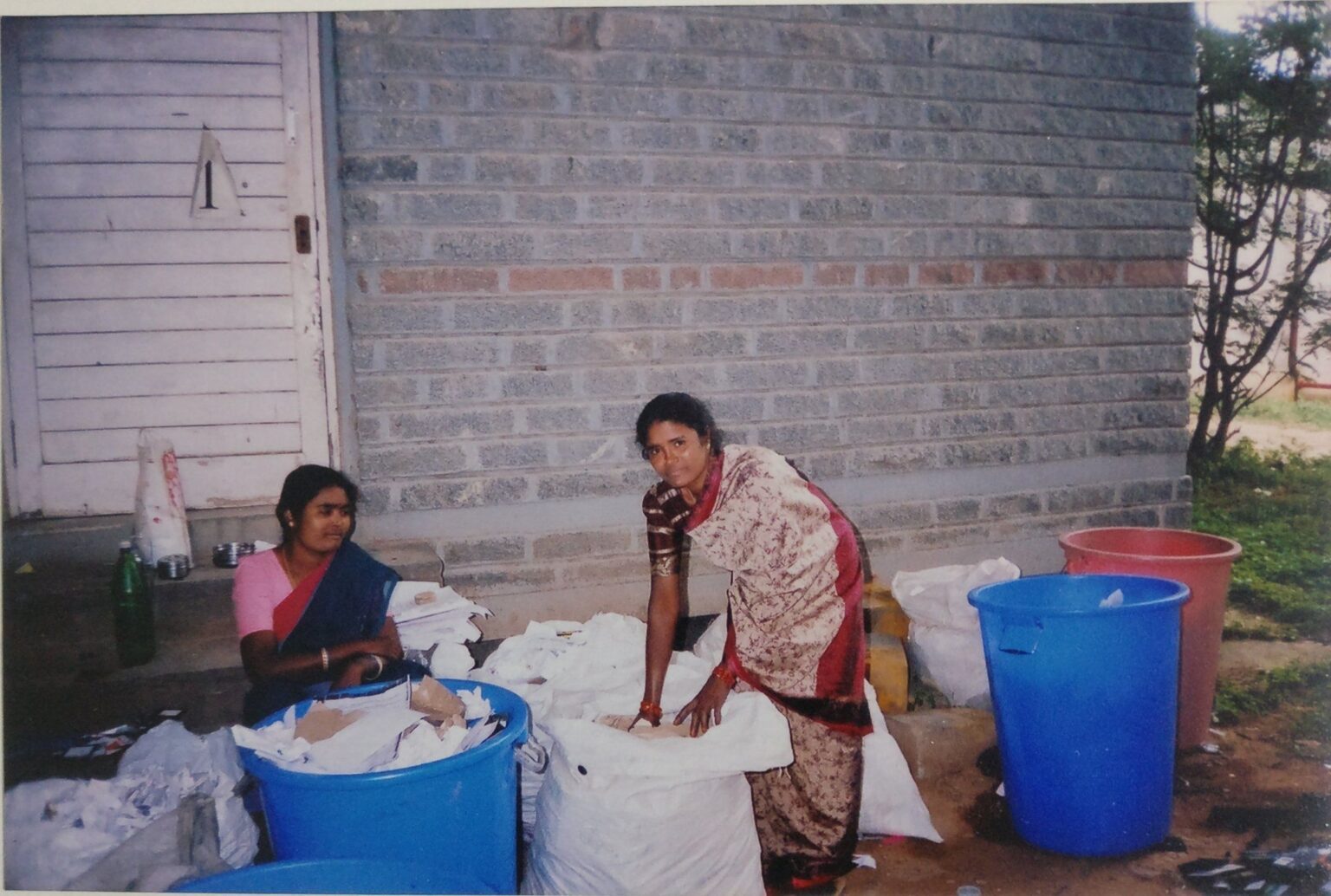
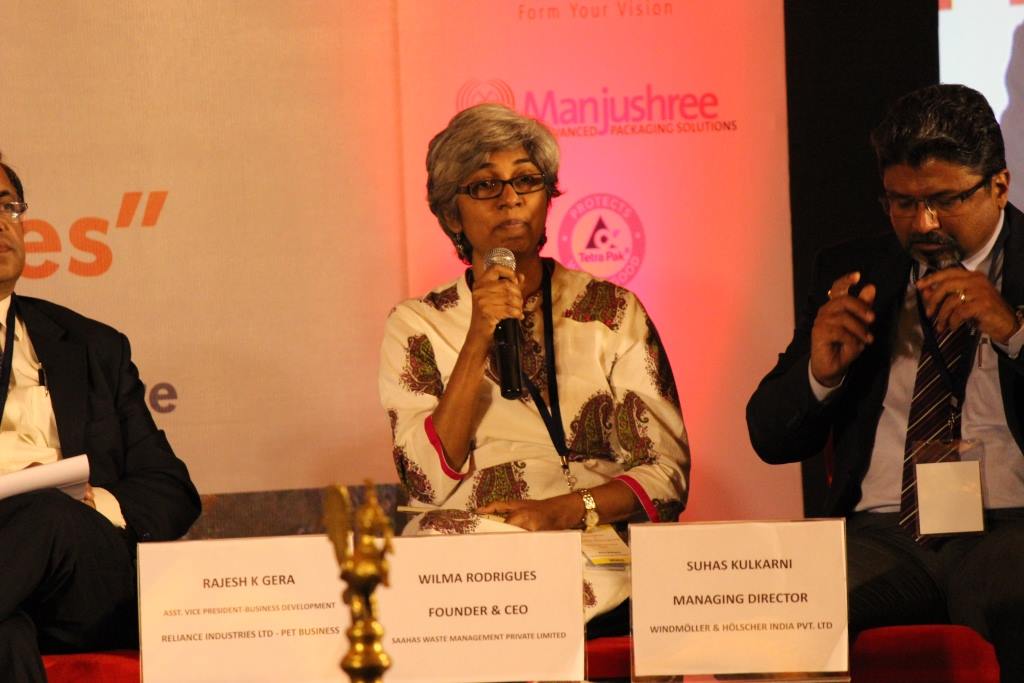
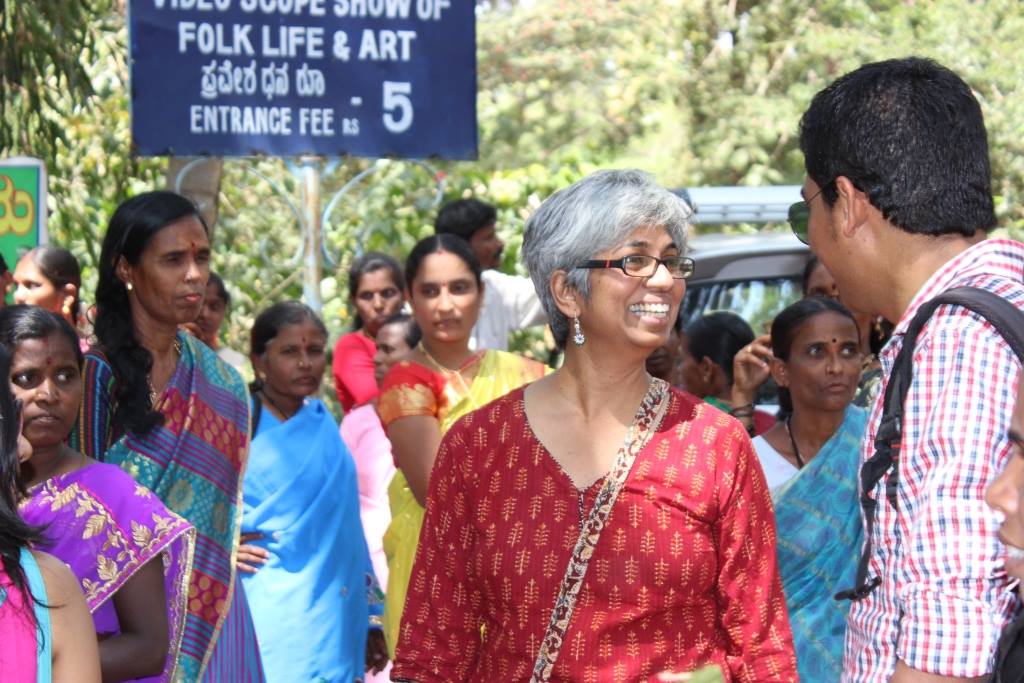
Saahas was founded in 2001 with a bold and clear vision: an India where nothing is waste. What our founder, Wilma Rodrigues, started as an effort to change the way waste was understood and managed has grown into an organisation working across cities and Gram Panchayats to strengthen resource recovery-based solid waste management on the ground.
Over the past 25 years, Saahas has worked alongside governments, communities, institutions, businesses and funding partners, moving from demonstrating better waste-management practices to strengthening the capacities, partnerships and local mechanisms needed to make those practices work consistently and at scale. At the core of this work has been an approach that goes beyond collection and disposal. It follows the 3R principles — Reduce, Reuse and Recycle — by reducing waste generation where possible, encouraging reuse to extend the life of materials, and ensuring that what remains is effectively recovered…
Saahas was founded in 2001 with a bold and clear vision: an India where nothing is waste. What our founder, Wilma Rodrigues, started as an effort to change the way waste was understood and managed has grown into an organisation working across cities and Gram Panchayats to strengthen resource recovery-based solid waste management on the ground.
Over the past 25 years, Saahas has worked alongside governments, communities, institutions, businesses and funding partners, moving from demonstrating better waste-management practices to strengthening the capacities, partnerships and local mechanisms needed to make those practices work consistently and at scale. At the core of this work has been an approach that goes beyond collection and disposal. It follows the 3R principles — Reduce, Reuse and Recycle — by reducing waste generation where possible, encouraging reuse to extend the life of materials, and ensuring that what remains is effectively recovered through segregation at source, segregated collection, appropriate processing, and strong linkages to recycling and other productive uses. Experience on the ground has also shown that scaling this approach requires sustained behaviour change, inclusion of waste workers, the right technical solutions, adequate financing and strong local governance. These lessons take on greater significance as India enters another important phase.
The Solid Waste Management Rules, 2026 provide a renewed policy framework, while the journey towards Viksit Bharat @2047 creates an opportunity to ask a larger question: What will it take to build waste-management systems rooted in reduction, reuse and resource recovery that can work at scale and endure over time? This question sits at the heart of Saahas@25 and its theme, “Building Circular Systems, Together”, recognising that lasting change requires governments, communities, practitioners, academia, think tanks, funders and businesses to work together. The day will draw on 25 years of experience and learning from the wider ecosystem, while looking ahead to what is needed to take this work to greater scale.
What The Day Seeks To Do
The event will bring together representatives from government, philanthropy and CSR, knowledge institutions, civil society, practitioners and community leadership to:
Reflect on how India’s solid waste management and circularity landscape has evolved;
Examine what it takes to translate policy into functioning local systems;
Bring lessons from states, cities and Gram Panchayats into the larger national conversation;
Explore how long-term funding, institutional capacity and partnerships can support systems that endure;
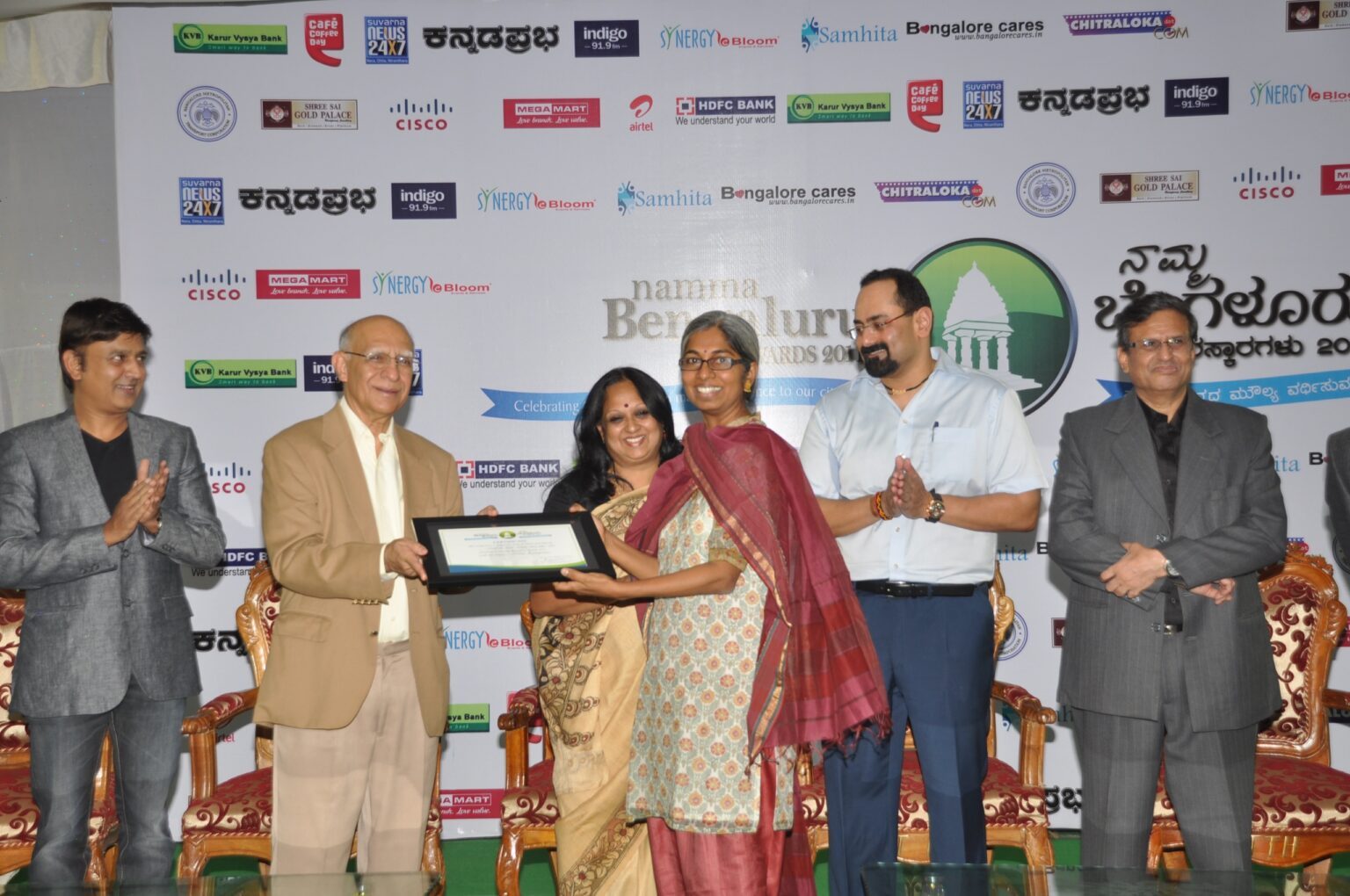
Recognise individuals and institutions that have contributed to Saahas’s journey and the wider waste ecosystem; and
Look ahead to what India will need to take resource recovery-based waste management and circularity to greater scale.