Grey was not the plan
Circular economy
Sustainable lifestyle
- by Mahek Singh, MEL Lead, Saahas
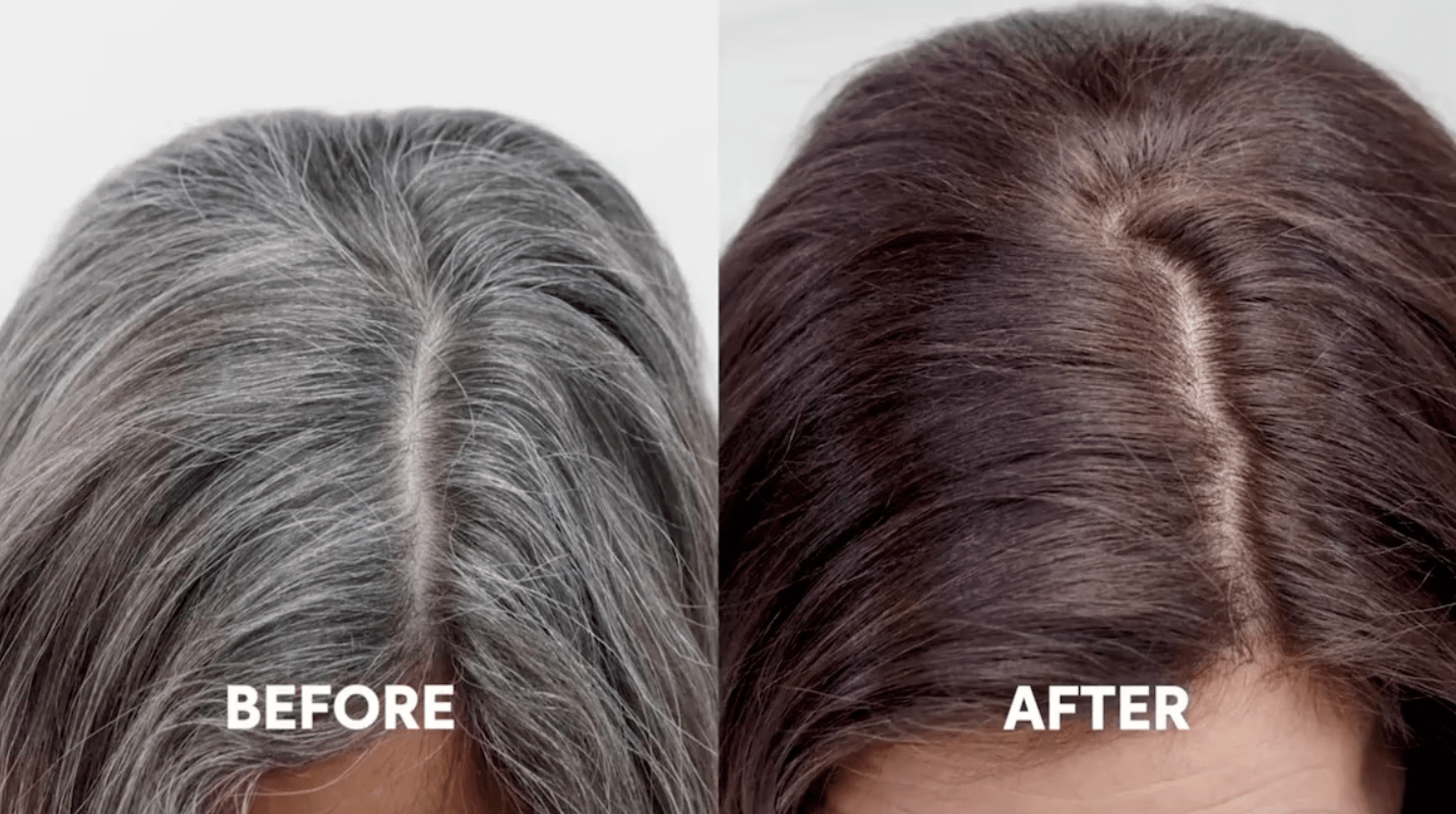
A couple of years ago, my hair started turning grey. Not overnight. Not dramatically. It was slow. Almost polite. A few strands at first. Then a little more. Enough to notice, not enough to panic. Or so I thought.
Around me, very few women let this happen naturally. Grey was something to “manage,” preferably fast. Colouring your hair felt normal and modern. Acceptance did not. Beauty, confidence and social comfort were loudly tied to staying coloured. The suggestions came from everywhere. “Arre abhi se?” “Natural brown kar lo, black thoda harsh lagta hai.” Magazines promised “age-defying colour” on every second page. Salon advertisements followed me online with discounts I never asked for. Root touch-up offers. First grey coverage free. No one was being unkind. Everyone was being helpful. Help, apparently, meant reminding you that ageing should be subtle, well-blended and professionally invisible. “Grey mein thodi buddhi dikhti ho. Colour kar lo. Job market is already tough for women your age, and by not colouring and making your age obvious, you will be competing against ageism.” So I did what most people do. I coloured my hair.
At that point, grey felt like a burden. Today, it feels like information.
I now work full-time in waste management and the circular economy. As a social development practitioner, I spend my days thinking about systems and long-term change. The work quietly trains you to look past what is visible and ask a simple, stubborn question: what happens after? After use. After convenience. After choice. Over time, that question stopped staying at work. It followed me home. It showed up in my bathroom. It showed up in my hair routine.
That shift in thinking changed how I noticed everyday habits. Things I had never questioned began to stand out. Colouring was one of them.
Colouring today is effortless. DIY kits are everywhere. Salon services arrive at your doorstep. What once felt occasional has become routine maintenance. But every colouring session ends the same way. The dye is washed off. It mixes with household wastewater. It goes down the drain.
And then it gets interesting!
What escapes treatment does not disappear. When these chemicals enter rivers, lakes and soil systems, they become part of everyday ecosystems. Some synthetic dye compounds can irritate aquatic life and interfere with how small organisms breathe, grow or reproduce. Even at low levels, long-term exposure matters because these chemicals do not belong there.
In water bodies, colourants reduce light penetration. Aquatic plants suffer first. The food chain follows. Small organisms are affected, then fish, then birds and animals that depend on these waters.
For humans, the impact is often indirect. Polluted water affects drinking sources, irrigation, and soil health. Over time, this shapes food quality and safety. Communities living closest to polluted water bodies face the highest exposure, even if they never coloured their hair themselves. The harm is uneven, and it rarely falls on those making the choice.
This is why quiet pollution matters. It does not arrive as a crisis. It builds slowly, until damage becomes normal.
Become a member
And somewhere in that quiet, ordinary harm, I find myself returning to my grey hair. This is where the irony begins!
As my greys increased slowly, I started seeing videos online. “Easy transition to grey,” they promised. Colour matching. Silver blending. Grey-toned dyes. Basically, colouring your hair to look like you are not colouring it.
It was oddly impressive. And deeply funny.
We are now colouring our hair to look like we stopped colouring our hair. In the process, we double down on chemicals, water use, and packaging. All to make the transition look seamless. Smooth. Safe.
Safe for whom?
This is where my discomfort sharpened. Colouring is not meaningless. People colour for ageing, confidence, work expectations, and identity. It also supports livelihoods. Ignoring that would be dishonest. But ignoring environmental harm would also be dishonest.
For a long time, I believed two things. That “natural” products are safe. And that awareness alone changes behaviour. I no longer believe either. Some “natural” dyes still pollute. And awareness without alternatives only produces anxiety, not change.
So I stopped chasing perfect positions. I started sitting with grey.
Grey tells me colouring is not evil. But it is not harmless. Sustainability is not about purity. It is about responsibility. About asking whether convenience is worth its cost.
Now I ask quieter questions. Can we colour less often? Can we avoid unnecessary transitions? Can salons manage wastewater better? Can brands take responsibility for what gets washed away? None of these fix everything. All of them reduce harm.
Letting my greys show became easier as my thinking shifted. Not because social pressure disappeared. But because my priorities did. Grey began to feel like experience, not failure. Like honesty.
Environmental work in India is messy. Infrastructure is limited. Choices are constrained. Clean solutions are rare. Most progress happens slowly. In between. In the grey.
So yes, grey was not the plan. But neither was pretending that beauty has no environmental cost. I am choosing to go grey, slowly. On my head, and in my thinking. Not to be virtuous. Just to be a little more honest.
Because some pollution washes away quietly. And some transitions are worth letting happen naturally.

Circular economy
Sustainable lifestyle
- by Suvarna Mishra, Knowledge Development Associate, Saahas
Circular economy
Resource recovery
Sustainable lifestyle
Waste segregation
- By Divya Tiwari, Advisor, Saahas

Policy
Resource recovery
Waste segregation
- By Anas Mohammed R, Project Manager, Saahas