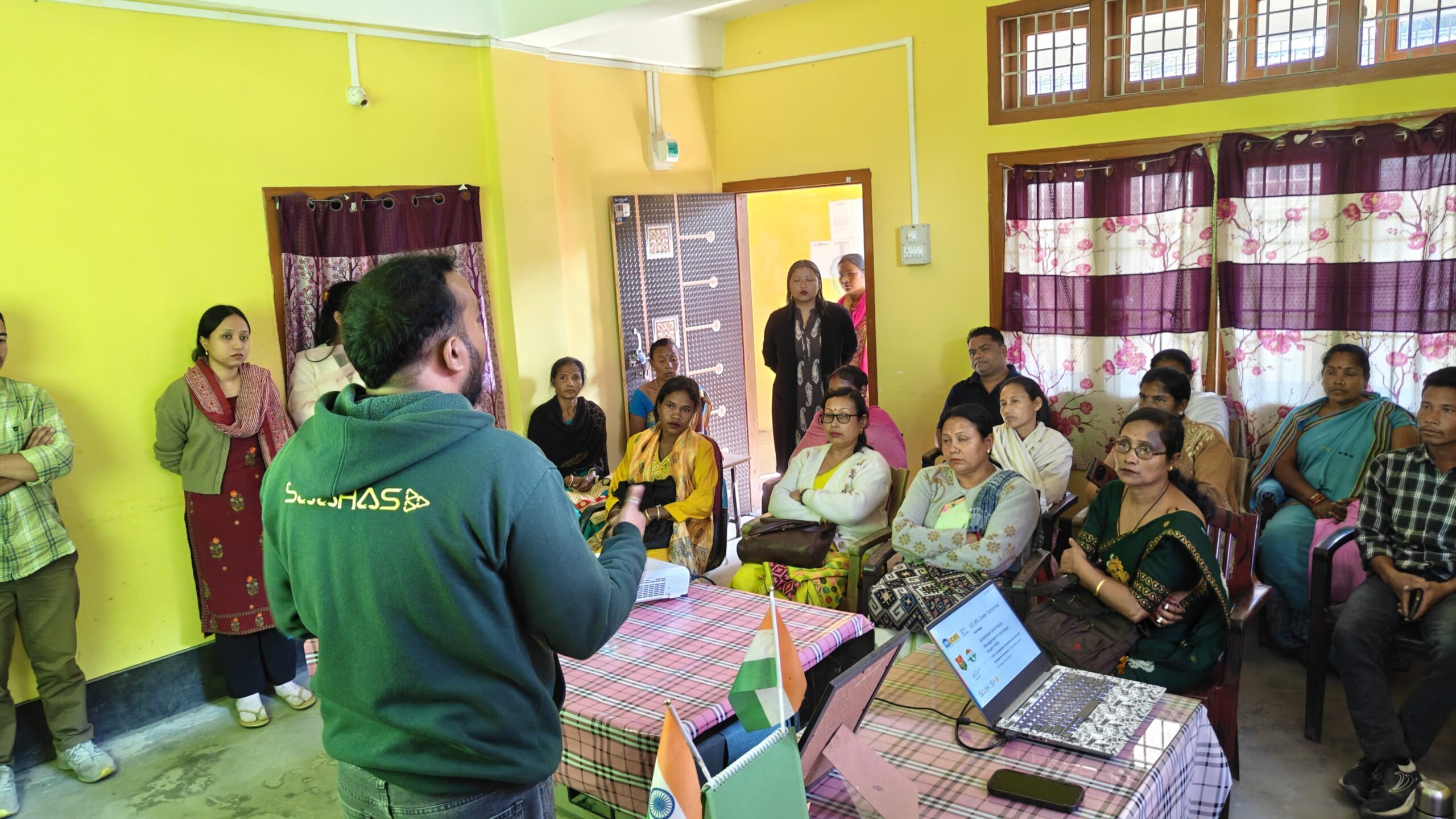
Supported By

SWM in Kaziranga
Ongoing
Supported By
Establishing Sustainable Solid Waste Management System in the Buffer Zones of Kaziranga National Park

Location
Kaziranga

Duration
September 2025 to ongoing

Focus Area
Capacity building and handholding, Dry Waste Management, Awareness & Behaviour Change

Supported By
LIC Housing Finance Limited

Coverage
10 Gram Panchayat (Approx 99 villages) near 5 forest ranges

Target
100% of the Households covered for waste collection with ~70% of Households adopting waste segregation at source, 85% of the waste generated will be diverted from landfills., 60% of the total dry waste generated will be recovered

State
Assam

Key Stakeholders
Kaziranga National Park authority, Forest and tourism Department, Govt of Assam, SBM(Gramin), PHED, Panchayat and Rural Development Department
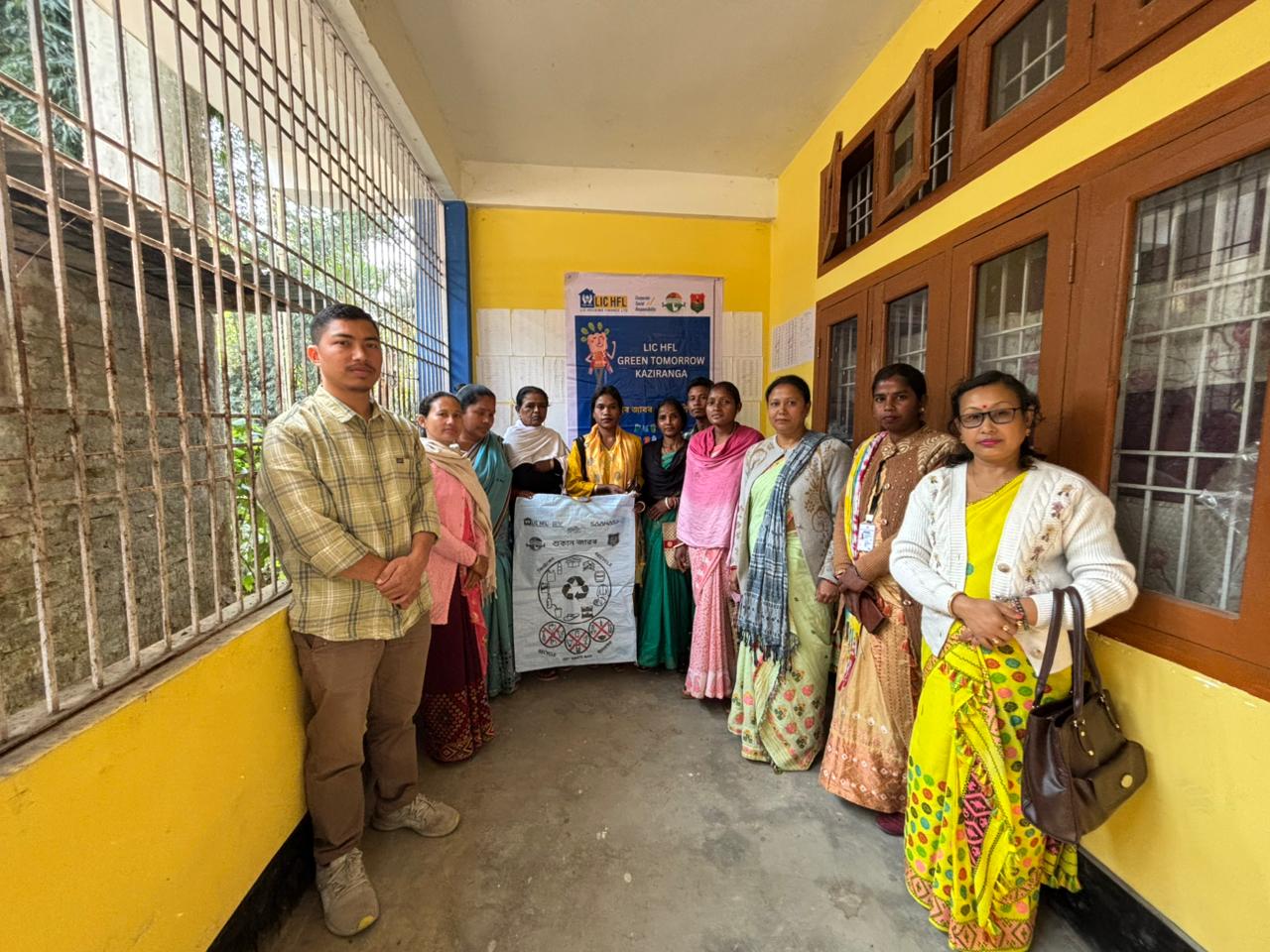
Background/Need:
Kaziranga National Park, a UNESCO World Heritage Site and home to the world’s largest population of one-horned rhinoceroses, received approximately 406,000–444,000 visitors during the 2024–25 season. This high tourist inflow has intensified waste generation in the park’s buffer zones, posing growing threats to the surrounding ecosystem and highlighting the need for effective waste management.
Objectives:
- Community Behavior Change: Established efficient segregation, collection, and community behaviour change.
- Infrastructure strengthening : Strengthen decentralized infrastructure (revive MMCFs/CMCFs).
- Green Livelihood: Enable SHG-led waste collection and green livelihoods.
- Tourism Integration: Integrate sustainable waste practices into tourism through eco-certification and green fee mechanisms.
- Replicable model: Create a replicable model for other National Parks in Northeast India.