बिन Malba - Action for Sustainable City

Started in January 2025, बिन Malba is a focused intervention supported by NatWest Digital Services India Pvt. The project aims at developing a sustainable system for Construction & Demolition waste management through stakeholder collaboration and targeted awareness efforts.

About Bin Malba

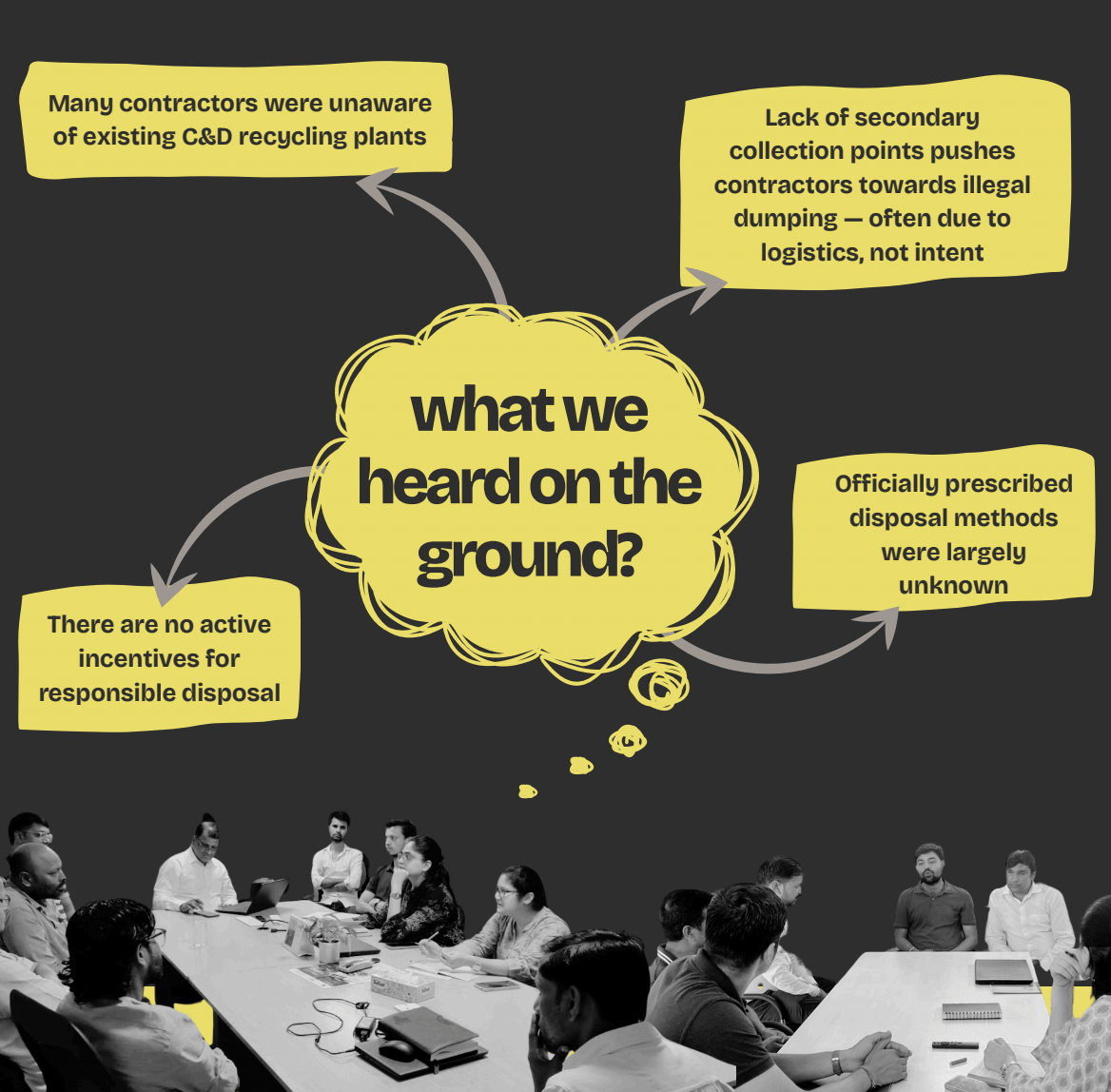
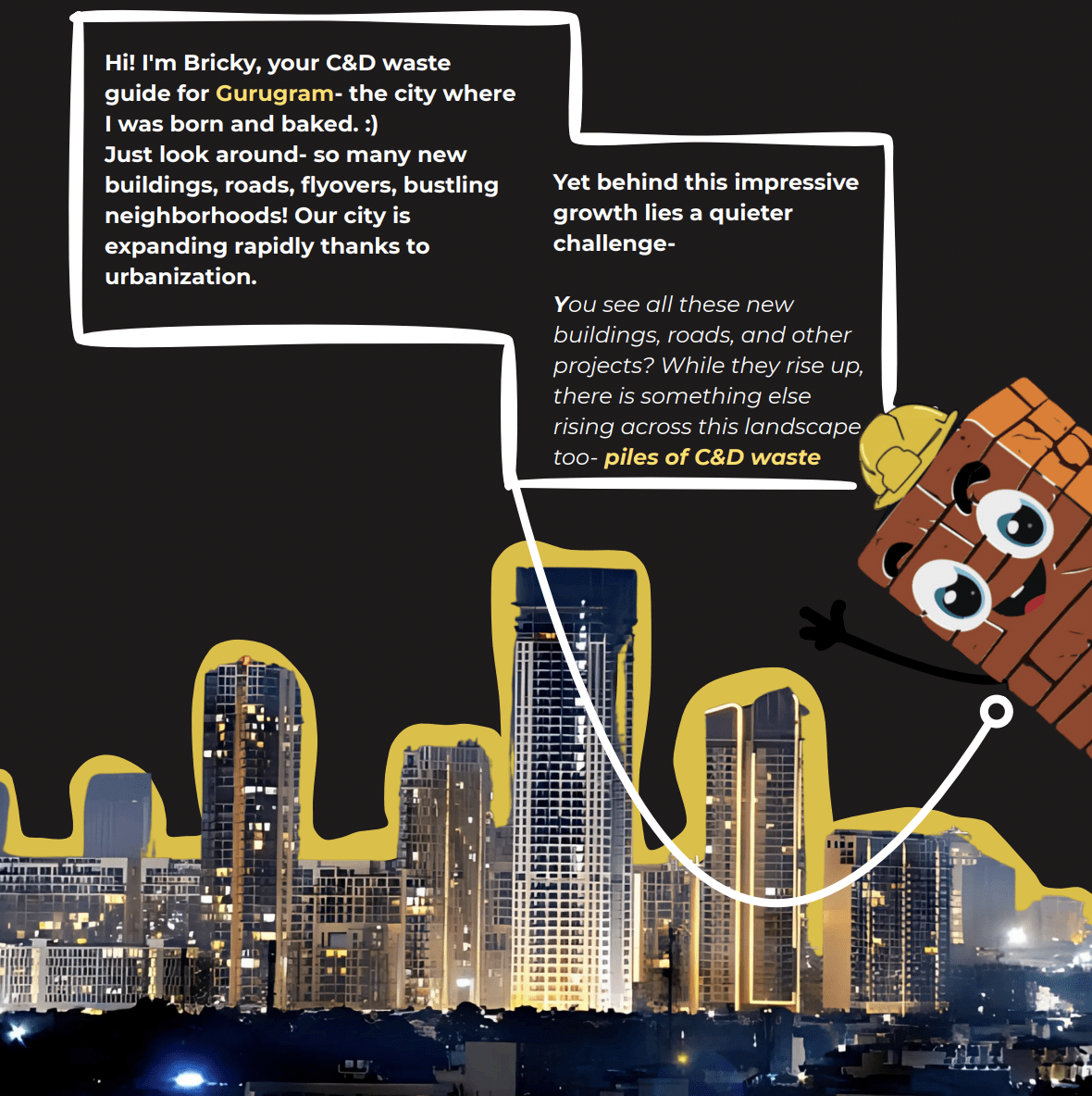
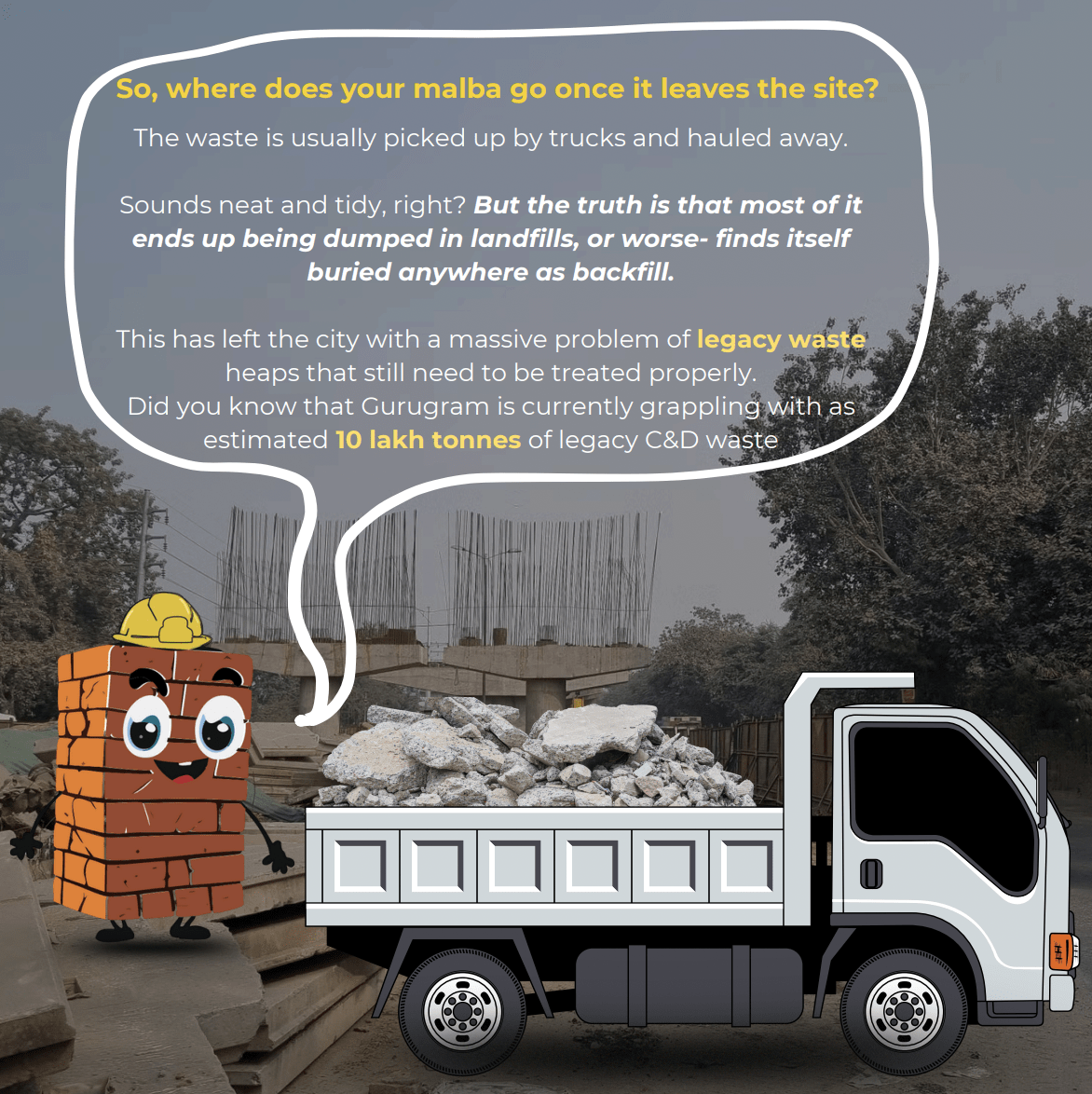
Gurugram has witnessed unprecedented urban growth over the past few decades. While this expansion has brought modern infrastructure and improved living standards, it has also led to the generation of approximately 2,000 tonnes of C&D waste per day, as reported by the Municipal Corporation of Gurugram (MCG). In addition, the city is currently grappling with an estimated 10 lakh tonnes of legacy C&D waste.

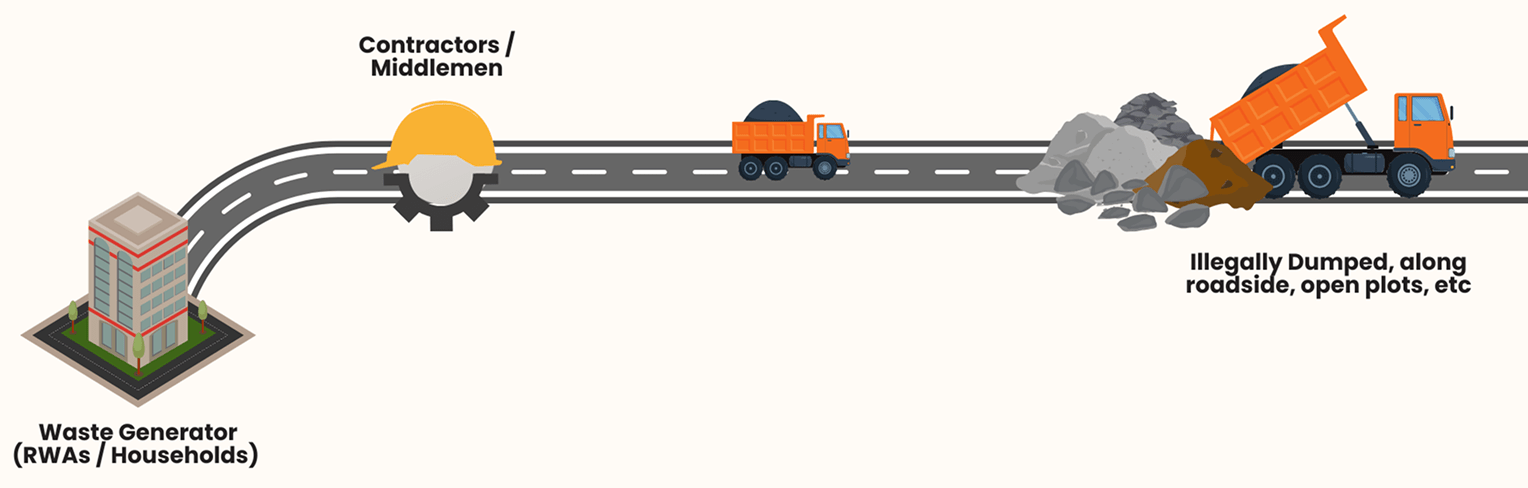
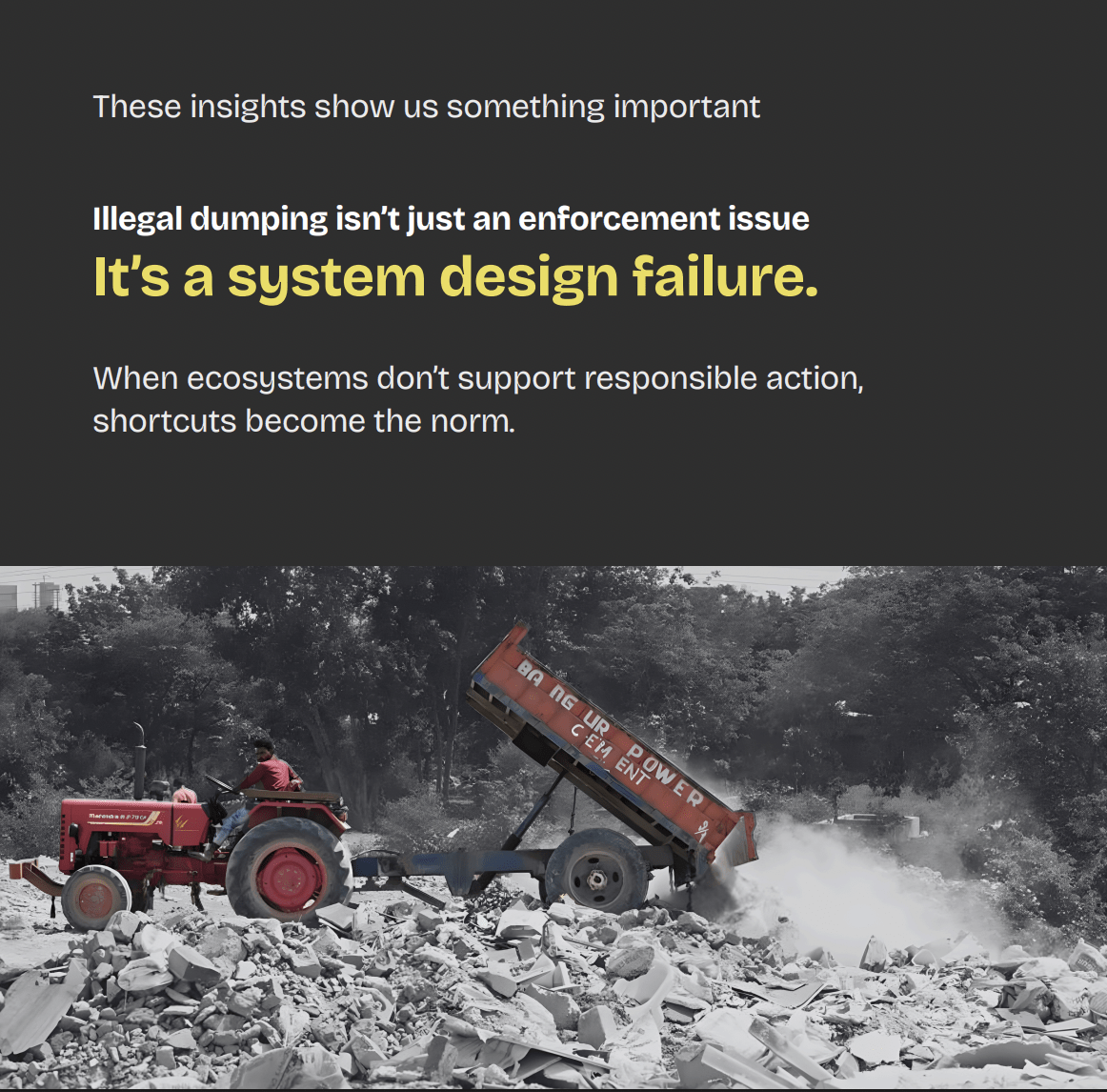
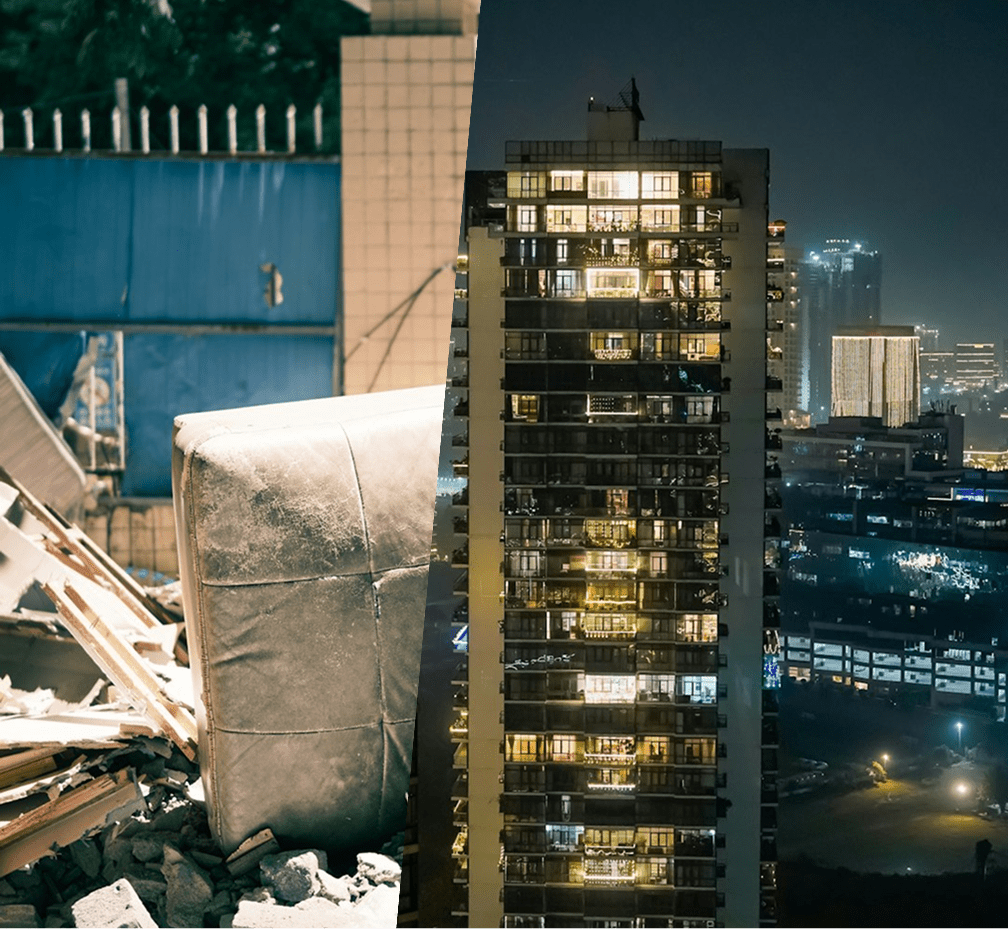
Unfortunately, a significant portion of this waste is illegally dumped in green belts, around the eco-sensitive Aravalli region, and in open spaces across the city. Such practices severely impact local biodiversity, degrade soil quality, and contribute to increased air pollution — posing serious health risks to children, the elderly, and the broader community. In response to this urgent issue, Saahas has launched a focused initiative titled बिन Malba – Action for a Sustainable City in January 2025.

Objectives

The project aims to create a sustainable system for C&D waste management in Gurugram through stakeholder collaboration, on-ground awareness drives, and strengthened compliance with the C&D Waste Management Rules, 2016, through the following objectives:

Build awareness among RWAs, waste collector agencies and civil contractors on their roles and responsibilities in accordance with the C&D Rules 2016

Diversion of approximately 15000 MT of C&D waste for recycling and build controls to avoid dumping on a 7km selected stretch align the Gurgaon-Faridabad Road

Identify gaps and provide recommendations to strength the regulatory framework for the city

What is C&D waste?

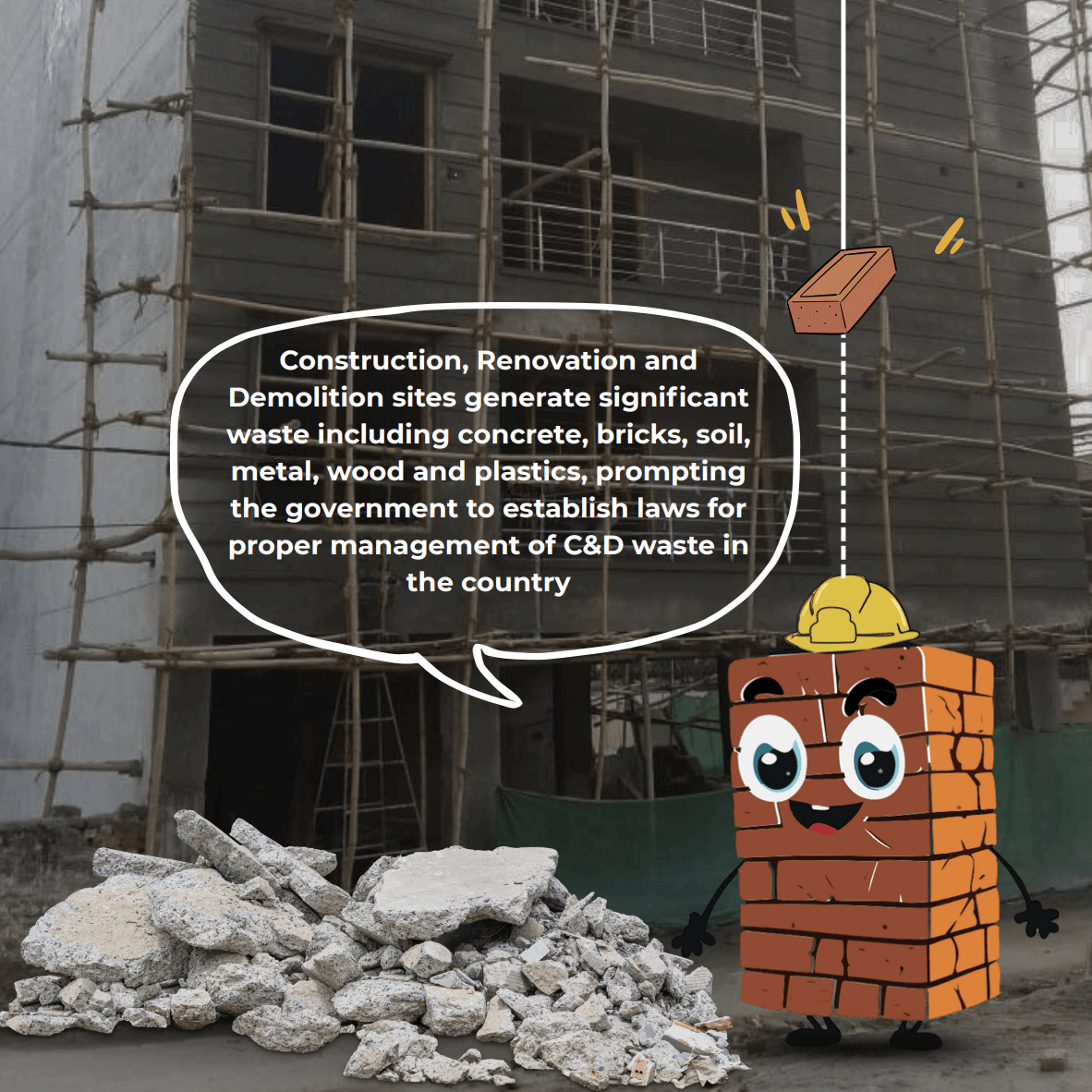
Any waste comprising building materials, debris, and rubble resulting from construction, remodeling, repair, and demolition of any civil structure comes under Construction and Demolition(C&D) Waste. You may also know this waste as malba.
Components of C&D Waste

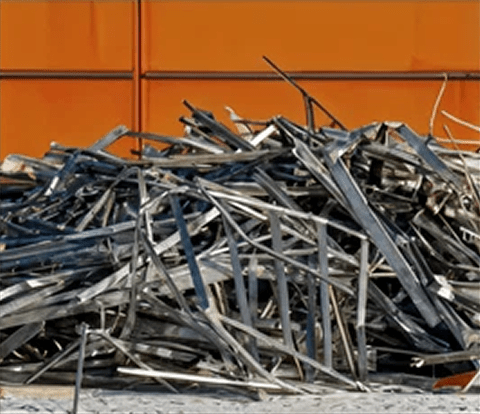
Metals

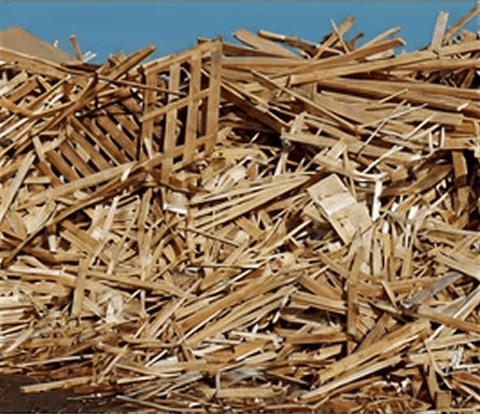
Wood

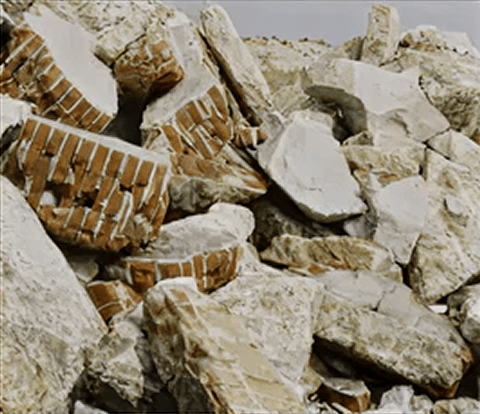
Bricks

Glass

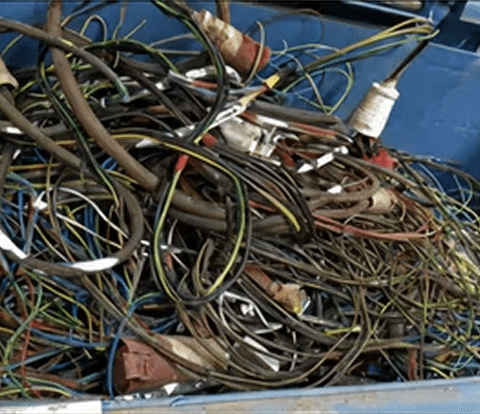
Wires

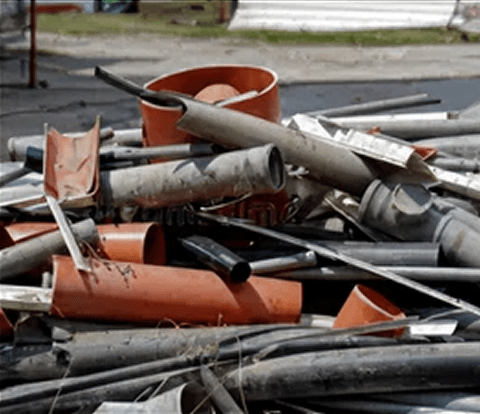
Plastics

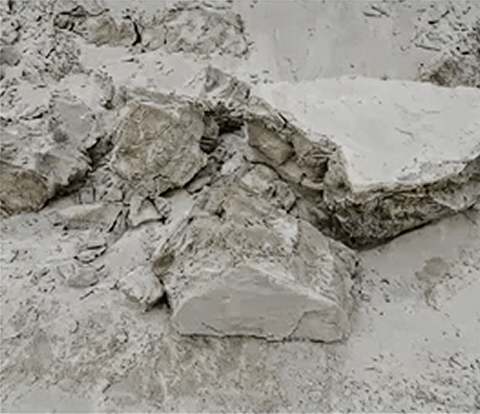
Concrete

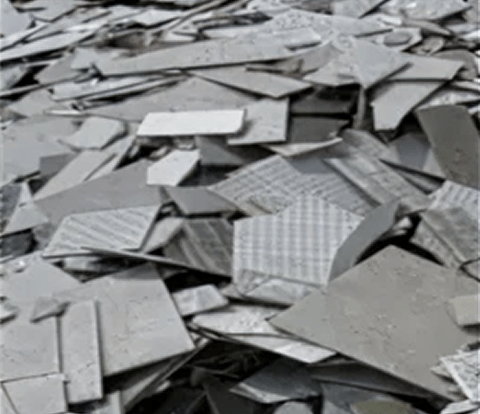
Tiles/Ceramics

What happens to it?

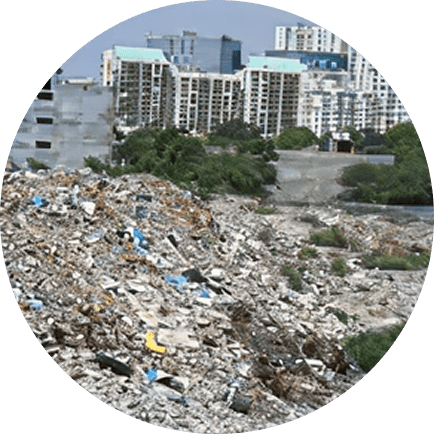
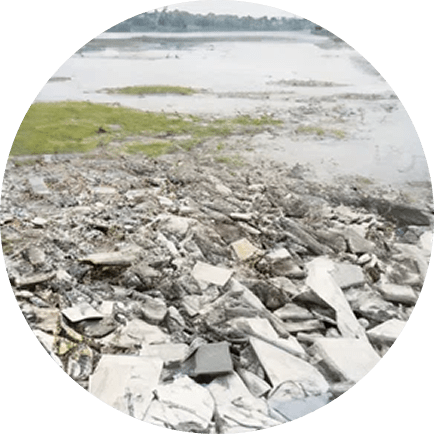
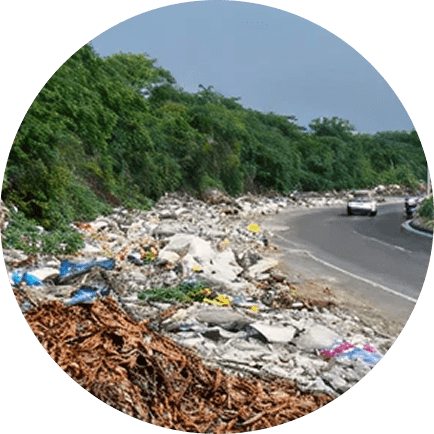
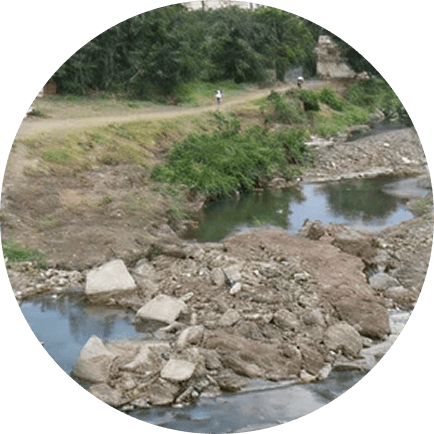
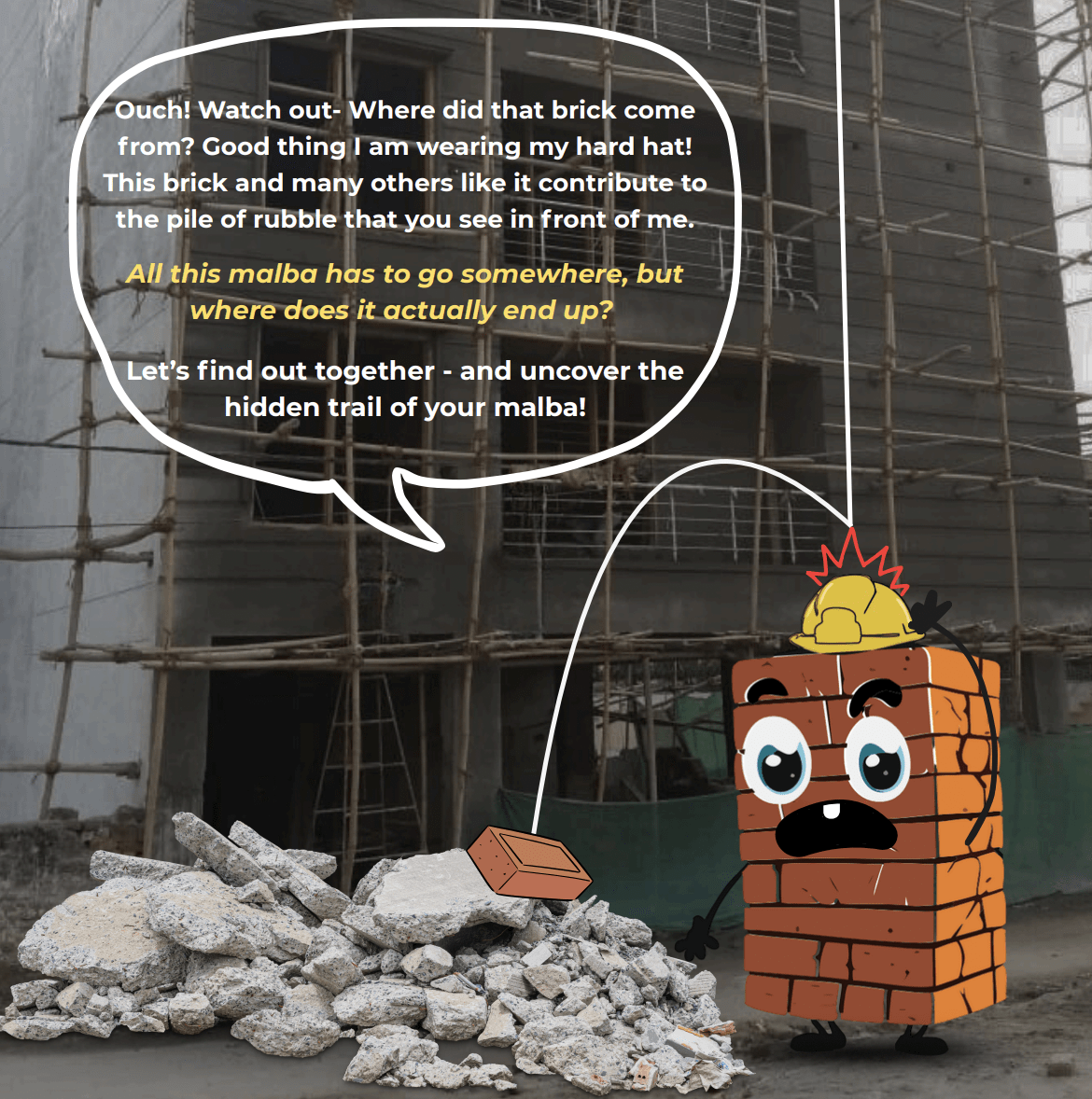
C&D Waste generally ends up near

Open Sites

Lake Beds

Roadside

Drainage System

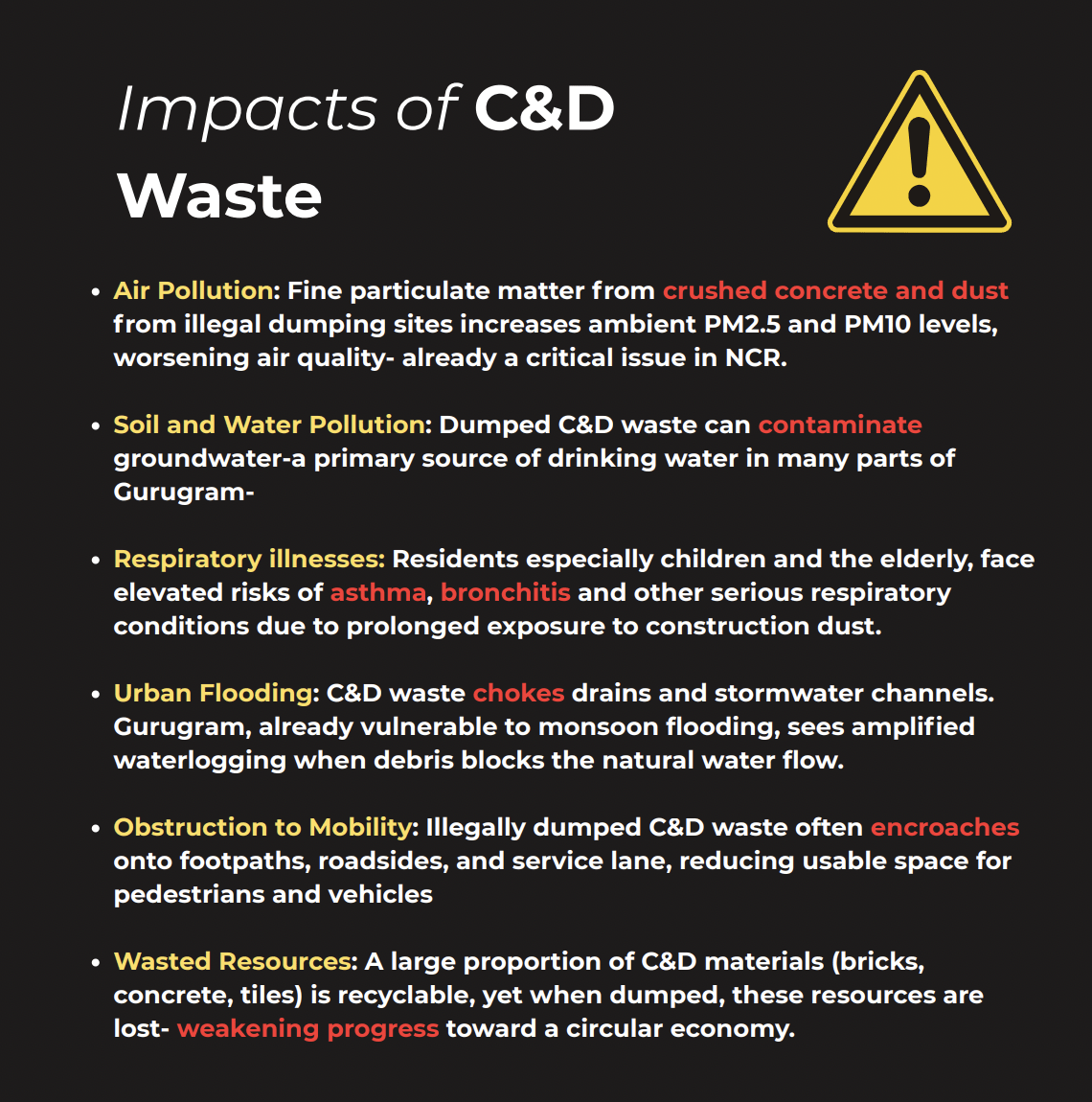
How does this affect you?

Decreases Open Spaces

Damage water bodies

Increases urban flooding

Obstructs mobility

Respiratory & cardiovascular diseases

Why C&D Waste Needs Urgent Attention

Construction and demolition (C&D) waste places immense pressure on already overstretched landfills.

Hazardous materials such as asbestos pose serious risks to both the environment and public health.

Illegal dumping damages local ecosystems and creates health hazards, including mosquito breeding and disease spread.

High-value recyclable materials are often buried in landfills or dumped illegally, leading to avoidable economic loss.

The rapidly increasing volume of C&D waste is pushing cities toward an unsustainable future.

Heavy reliance on mining and natural resources for construction materials results in resource depletion, rising costs, and high transportation emissions.

Step-by-Step Implementation Plan

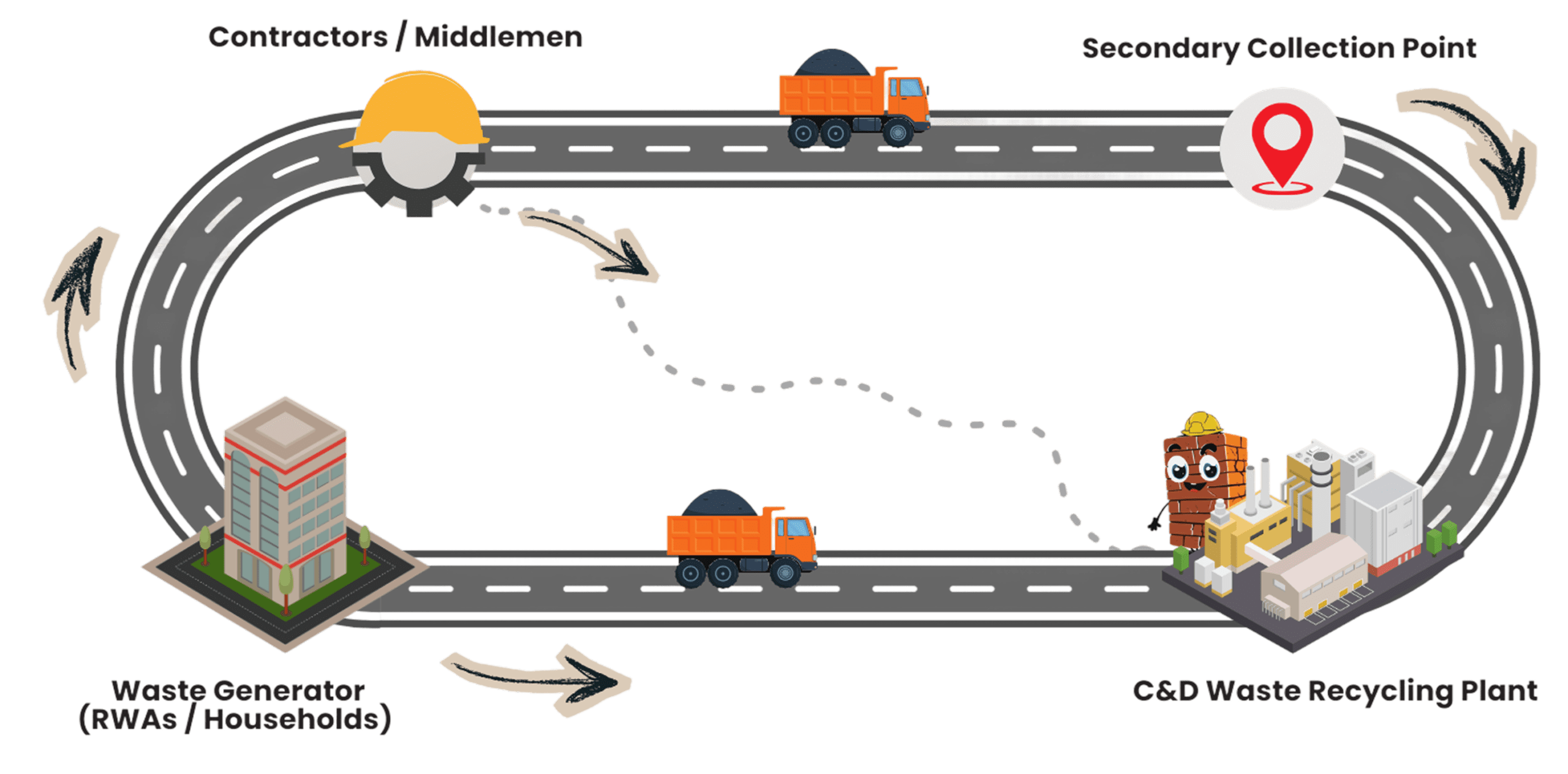
Every waste generator will have to dispose off the waste within its premises or get the waste deposited at the secondary collection centre built by the local body or hand it over to an authorized processing facility.

Every generator of C&D waste – whether small households or big builders – must store it separately, not dump it anywhere, and ensure it goes for recycling.

Current System of C&D Management

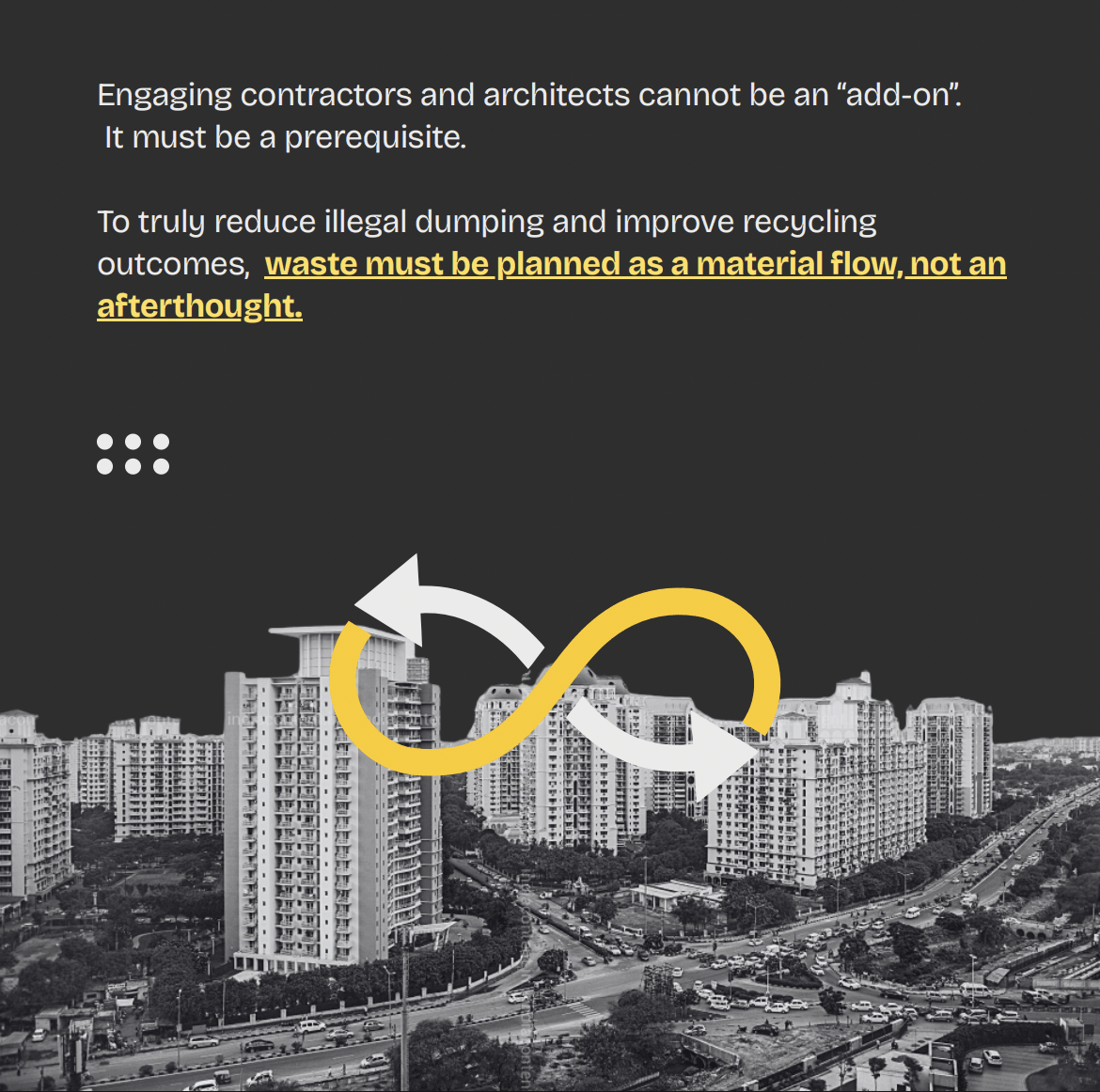
Sustainable System of C&D Management

Impact & data

7142. 165 MT

C&D waste diverted from the Stretch & Recycled

30+

Contractors and architects engaged

3000

People Engaged

Impact & data

7142. 165 MT

C&D waste diverted from the Stretch & Recycled

30+

Contractors and architects engaged

3000

People Engaged

IEC Posts

FAQ

Any waste comprising building materials, debris, and rubble resulting from construction, remodeling, repair, renovation or demolition of any civil structure is called Construction & Demolition (C&D) waste.

Bricks, Concrete, Tiles/Ceramics, Glass, Wood & Plastics, Wires, Metals

C&D waste is bulky in comparison to the household waste and is generated during the renovation and construction related activities. Mixing the two waste types creates handling and recycling problems.

Yes. Most C&D waste can be recycled and reused to make products such as recycled aggregates, paving blocks, tiles, and m-sand.

Recycling C&D waste converts debris into new construction materials, reducing the need for fresh natural resources (like sand and stone) and minimizing landfill disposal—thereby supporting a circular economy.

Waste generators (builders, households), Collection and transport agencies, Municipal authorities/ULBs, Recycling plant operators, Informal workers and contractors

As per the C&D Waste Management Rules 2016, the waste generator is primarily responsible for segregation and disposal of C&D waste. Urban Local Bodies (ULBs) are responsible for providing collection and processing systems.

Currently, the Municipal Corporation of Gurugram has an authorized C&D waste recycling plant in the city to manage the C&D waste.

Yes, there is one recycling plant that can be reached out for the collection services at Helpline no. 9015339966

A C&D waste recycling plant is a facility where construction debris is sorted, screened, and crushed to produce reusable construction materials. In Gurugram, an MCG-authorized recycling plant operates at Basai village.

As a generator, it is your responsibility to dispose of C&D waste at the right destination—by doing so, you help keep the city clean, prevent drain blockages and flooding, reduce environmental damage, support recycling and resource conservation, and avoid penalties for illegal dumping.

Send your Waste to Recycling Plant, Call 9015339966