Civic Sense in India: A Failure of People or Systems?
Policy
Resource recovery
Waste segregation
- By Anas Mohammed R, Project Manager, Saahas
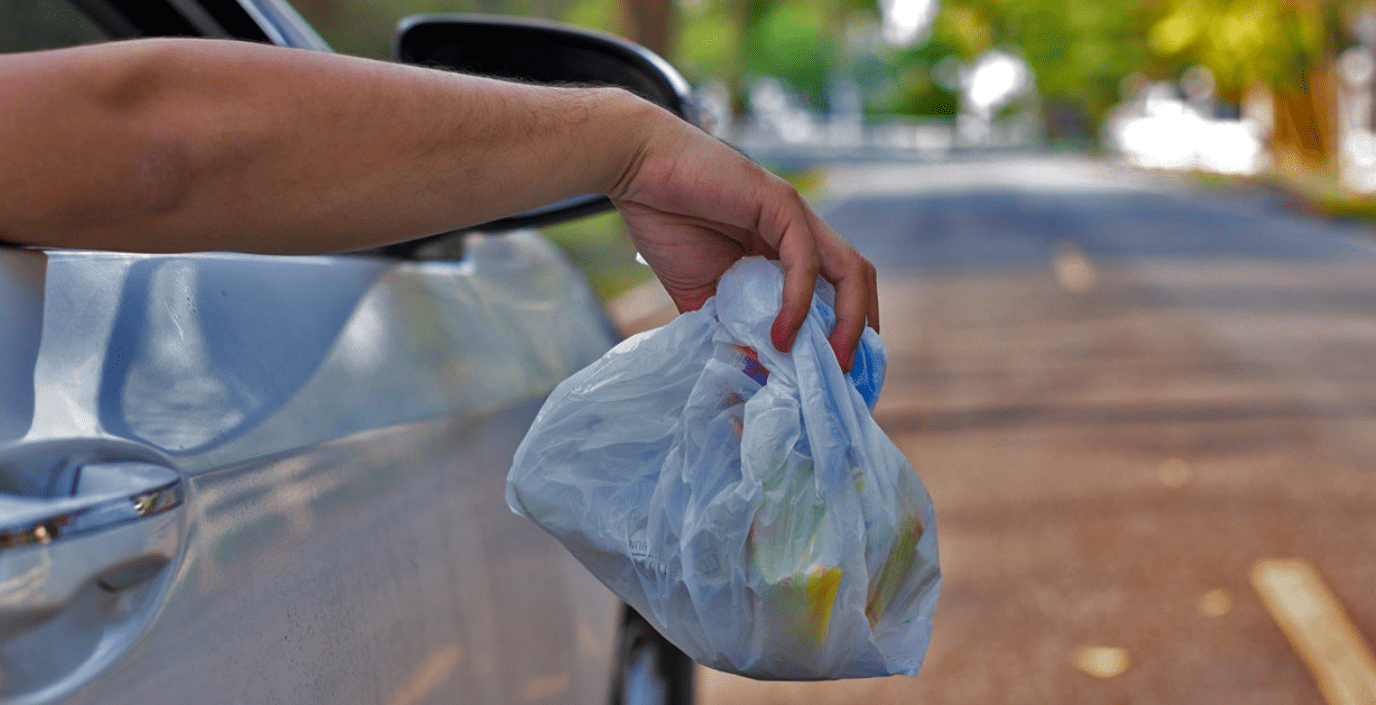
“Are dirty streets really about people, or about the systems around them?”
In India, whenever we see garbage dumped on the roadside, people spitting in public places, or public property being misused, the easiest explanation is thrown around: “people here have no civic sense”. The blame quickly shifts from the educated to the uneducated, from the rich to the poor, from one group to another. Everyone is responsible, yet no one really is.
Civic sense, in simple terms, is the responsibility we show in shared public spaces, how we treat roads, buses, parks, toilets, and even strangers around us.
It is about basic respect for people and places we all depend on. But civic sense does not exist in isolation. It does not grow automatically just because someone is educated or earns more.
I strongly feel that lack of civic sense is not only a people’s problem. It is also a government and societal responsibility. When sanitation systems fail, waste collection is irregular, public toilets are unusable, and certain areas are consistently neglected, people slowly stop caring.
Over time, neglect becomes normal behaviour.
We can clearly see how systems shape behaviour. People rarely litter in airports or metros, not because they suddenly become more responsible, but because services work, rules are clear, bins are visible whenever needed, and accountability exists. Where systems function, civic sense follows. When people grow up seeing broken infrastructure, overflowing garbage, and poor services as part of their daily lives, their expectations are lowered. If society repeatedly treats a group as invisible or unimportant, it reflects in how public spaces are misused and disrespected.
Civic sense is deeply connected to financial inequality and literacy gaps created over generations. Discrimination also plays a silent role.
When one group receives better services, cleaner surroundings, and faster responses while another is ignored, the idea of collective responsibility weakens. Data from multiple national surveys highlight how access to basic services like toilets, waste collection, and clean public spaces varies sharply across communities. Social justice matters here. People protect and care for spaces only when they feel those spaces truly belong to them.
So instead of only blaming people, whether educated or uneducated, we must ask deeper questions.
→Are sanitation & other services delivered by the government equally?
→Are public spaces maintained fairly?
→Are dignity and access ensured for everyone?
A lack of civic sense among some people often reflects how the government and society have valued them. Clean cities and responsible behaviour cannot be built by blaming alone. They can only be built when citizens, society, and the government collectively take responsibility.
Many people also argue that even educated people lack civic sense, and that is true. Because education alone is not enough.
What matters is what we teach and how early we teach it. Civic sense is rarely practised in schools. Children are told about cleanliness, but proper dustbins are missing. They read about hygiene, but the toilets are broken. Rules are taught, but not followed. This gap between learning and reality sends a powerful message.
If civic sense is not inculcated at a young age through real practice, it becomes difficult to expect it later in life. Our education system plays a critical role here, not through moral lectures, but through everyday experiences.
Civic sense is not something we can demand overnight. It is something we must create through equality, education, justice, and functioning systems.
Circular economy
Sustainable lifestyle
- by Suvarna Mishra, Knowledge Development Associate, Saahas
Circular economy
Resource recovery
Sustainable lifestyle
Waste segregation
- By Divya Tiwari, Advisor, Saahas

Circular economy
Sustainable lifestyle
- By Pausali Pradhan, Knowledge Development Associate, Saahas